
As we saw in our previous article ‘SEO Guide for Beginners’, implementing practical SEO actions is surprisingly easy, just very time-consuming. What a lot of business owners and marketing teams get wrong with SEO is the bigger-picture stuff, not the implementation.
In the second edition of our SEO series, we’ll be going through some tips on how you can recognise the different stages that customers might be at and how you can adapt your digital marketing techniques, and specifically SEO strategy, to suit each stage of the decision-making process.
First, we’ll go through what the sales funnel is, common search terms for each stage of the funnel, and which SEO activities you can implement in order to drive website visitors along the funnel to take action.
What is the sales funnel?
The sales funnel visualises the levels of intent that customers (or website visitors) have before they decide to purchase your products and services. A sales funnel can also help with creating an idea of the options available to people at different stages of researching a product or service.

The reason it’s called a funnel is because it’s generally assumed that there will be a larger volume of people with relatively low intent to purchase initially (such as people doing initial research around a topic), with slightly fewer people as the likelihood of a conversion (enquiry or sale) increases.
It’s incredibly useful for all types of digital marketing planning and strategy, but with a search being so focused on intent, it helps in planning SEO activities significantly.
This guide will be using the tried and tested ‘AIDA’ framework – Awareness, Interest, Desire and Action, which is respected by marketers and academics across the world.
Awareness – Top of funnel
The awareness stage is the equivalent of ‘window shopping’ – However, it’s still very important for increasing sales and enquiries! As goes the saying ‘Build it and they’ll come’, except they won’t. You need to invest time in the crucial element of SEO, and only then will the traffic come!
Many companies ignore this stage as it isn’t the highest converting area to optimise a website for, but with a typically higher search volume, it’s the best opportunity to fully understand and relate to your future customers and their intentions early on.

Oftentimes around this stage, people may have an interest in topics surrounding your business activity. In this stage, people are often asking a lot of questions in their search.
For example, if you’re offering SEO Training (like we are 😉), some of the ‘top of funnel’ search queries you might want to optimise for could be ‘How do I implement SEO?’ or ‘How to do keyword research?’.
These searchers are by no means set on taking your SEO Training, but they are clearly wanting to learn more about SEO and therefore might benefit from your service in the future.
You can create content that matches the terms they’re searching for, subtly making them aware that you offer SEO Training.
SEO Page Ideas for Top of Funnel
‘Lead Magnets’ work well at this stage. This is where you offer valuable information for free, demonstrating your expertise, whilst promoting your service at the same time.
If the content is incredibly valuable, you might ask for them to join your mailing list in order to access the content.
Free Checklists, Guides and Toolkits work really well as lead magnets, as the user is still searching for advice around a topic, not necessarily a service to buy.
For example, you might create a “Free SEO Guide for Beginners”, with a call-to-action mid-way through that says something like this:
“Want to learn SEO from the professionals? We are offering a free SEO Training consultation, helping marketing teams to boost their search engine rankings! Learn more here!”
How do you find SEO keywords to rank for?

Some excellent free keyword planning tools are WordStream and Answer the Public. By putting your main keyword into these tools, they’ll generate frequently asked questions based around your core keyword.
Another great way to find top-of-funnel keywords is by doing a Google search for your main keyword and seeing what Google suggests as an auto-complete search.
Looking at the suggested questions further down the search results is another useful source for top-of-funnel questions to optimise your pages for.
Interest – Middle of Funnel
So, let’s say the target customer for ‘SEO Training’ example that we used previously is done with their window shopping and they’ve walked right into your shop.
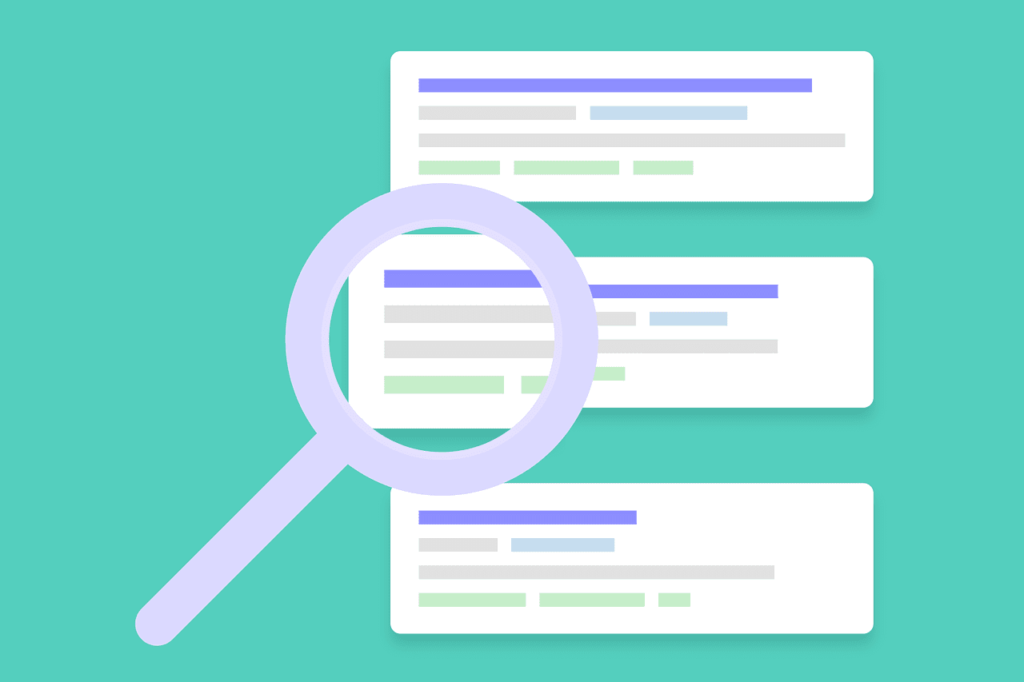
At this level, it is very common for the user’s searches to be based around comparing your business with the competition and looking toward alternative products and services. This is why it’s so essential to rank highly for this part of the funnel.
Common searches during this stage include “how much is SEO training?”, “best SEO training company” and “SEO Training Prices”.
It’s likely that there are plenty of competitors answering these queries, meaning you need to ensure that your company’s answer is the best answer around!
SEO Page Ideas for Middle of Funnel
Informative pages such as “Our Pricing for SEO Training”, “How to Choose an SEO Training Provider”, and “Where can I learn more about SEO?” work well for this stage in the funnel.
Desire/Action – Bottom of Funnel
These stages are the equivalent of someone who’s been in the shop for a while and have perhaps even tried a few clothes on!
At this stage it’s likely that users are searching for your brand name, so you need to ensure that your company is visible on Google and Bing.
However, whilst it’s important to still be at the top of search rankings at this stage, keywords become less important and an outstanding user experience becomes more important.
SEO Page Ideas for Bottom of Funnel
Your ‘Bottom of Funnel’ page is likely to be a service-related page. Using the example, this might be a page titled “SEO Training in Nottingham” or “SEO Training with *Company Name*”.
This page needs to cover the following:
- Provide answers to questions (more answers than the middle of the funnel)
Such as “How long will it take?” and “How much does it cost?”
- Include plenty of enticing call-to-actions
Such as “Get a Free Quote” and “Book a Free Consultation”
- Follow the best practices for a high-converting landing page
Remember to provide a fast page speed, state the benefits of your product/service early on and include testimonials.
Will a good user experience help with SEO?
As well as helping to increase conversion rates, the user experience will help with your SEO too.
David Freeman, a Senior Columnist at Search Engine Land explained that the “user experience is the pivotal future of SEO”.
Want a free comprehensive guide to designing a service page that converts? Head over to our High Converting Landing Pages Best Practices guide!
Conclusion
SEO strategy is essential to get right the first time. Why bother spending hours on SEO if you aren’t targeting the right people?
By applying the AIDA sales funnel model to your business, considering what people might be searching for at each stage, you can create engaging content that will appear for potential customers at each stage of their decision-making process.
Free SEO Training Consultation
Like what you’ve read in the article but want to learn more?
We’ve been implementing SEO strategies and helping in-house marketing teams to keep on top of Google’s frequently changing algorithm for over 17 years!
Request a Free SEO Training Consultation to see if your team would benefit from SEO Training.
Don’t fancy doing the SEO yourself?
With regular updates to Google’s algorithm, SEO requires constant training and re-training. Sometimes, once you factor in the costs associated with training and time implementing SEO in-house, it can work out to be much more effective to hire an SEO agency.
Not only will you have more time to focus on growing your business, but you can rest assured that professionals are taking care of your SEO efforts – benefiting from the wide range of complex paid tools we use to optimise websites, as well as years of training and expertise.
Contact Key Principles today for a Free SEO Quote for your website!