The way people discover brands online has changed dramatically over the past few years. Search engines were always the be-all-and-end-all. They were where we started.
While they are still a vital part of the customer journey and should always be in your thought process when considering your marketing mix, they’re not always where the initial discovery happens. Consumers are just as likely to discover a product while watching YouTube, scrolling through personalised content on Google Discover or working away in their Gmail inbox.
Traditional Search campaigns are incredibly effective at capturing existing demand, where consumers are already aware and are searching with the intent to buy. The problem is that they rely on someone already knowing what they’re looking for.
There are lots of potential customers out there who haven’t reached that stage yet; you may have a product or service that they don’t even know that they need, or perhaps yours is a premium version of what they’re used to, and they don’t realise there is a better option out there. If only businesses could find a way to introduce themselves and generate interest, they’d be quids in.
That’s where Google Ads Demand Gen comes in. This was launched originally as the successor to Discovery campaigns. It’s quickly become one of Google’s most important campaign types for brand awareness.
Display campaigns move to Demand Gen
In 2026, Google announced that legacy Display campaigns are also moving into Demand Gen. This shows us where things are heading. Google wants a single platform for visual advertising across its ecosystem. It makes sense. Rather than managing separate campaign types, advertisers will increasingly use Demand Gen to reach customers across YouTube, Discover, Gmail and the Google Display Network from one place.
The campaign is designed for a different stage of the buying journey. Instead of waiting for someone to search for your product or service, Demand Gen helps you reach potential customers while they’re exploring content, researching ideas or simply browsing online. It mixes up visually engaging creative with Google’s AI-powered targeting. Your brand gets introduced to people before purchase intent is fully formed. It’s a great time to get in there first.
Businesses that are already investing in paid search have new opportunities. It means they can build awareness, nurture consideration and influence buying decisions earlier in the customer journey.
What this also shows is the general way things are going in digital marketing. Successful campaigns no longer rely on a single touchpoint. Customers often interact with a brand several times before they make a purchase now. And Demand Gen supports those earlier interactions.
What is Google Ads Demand Gen?
Google Ads Demand Gen is a campaign type to help businesses reach people before they’re actively searching for a product or service. It doesn’t work by targeting users based primarily on keywords. Instead, it uses audience signals, machine learning, and visually engaging creative to introduce your brand to people who could be interested.
It’s the difference between answering a question and starting up a conversation.
If someone searches for “best running shoes” or “accounting software for HMRC Making Tax Digital,” Google knows they want something specific. In response, they get relevant adverts shown.
With Demand Gen, it happens differently. Your adverts are shown to people who may not be searching yet but whose interests, online behaviours and previous interactions suggest they could become future customers. As a business, you can use this to build awareness, generate interest and influence purchase decisions long before a search happens.
It’s not another Display campaign, though we can see why it’s easy to think that. Traditional display advertising is usually banner placements on websites. Demand Gen, though, is all about being on Google’s most visual and engaging platforms. Advertisers can reach people on YouTube, Shorts, Discover, Gmail and the Google Display Network. Adverts use images, videos, and carousels to capture attention in a content-rich environment.
Automation
Another key difference is the focus on automation. Google AI helps determine where adverts appear. It decides which creative assets perform best and which audiences are most likely to convert.
Advertisers still define campaign goals, budgets and audience signals. The rest of the optimisation happens automatically using Google’s machine learning models.
Just like with a Performance Max campaign, advertisers do have a limit on control. But with the high volume of data that goes through these types of campaigns, Google’s automation can spot performance trends much quicker than a human. The focus goes from manually managing individual ads and placements towards developing high-quality creative, clear campaign objectives and meaningful audience strategies. Managing Demand Gen campaigns is more in line with planning a successful social media advertising campaign than running a traditional keyword-led Search campaign.
It’s an important mindset change. Businesses that treat Demand Gen as a direct replacement for Search often become disappointed because immediate conversions don’t appear. If you understand that it’s more about building awareness and creating future demand, you are far more likely to see long-term success.
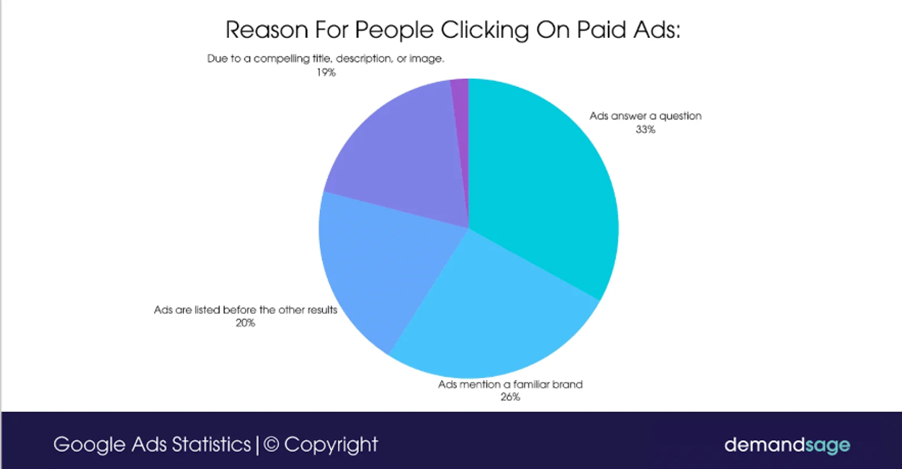
Image source: https://www.demandsage.com/google-ads-statistics
Why Google created Demand Gen
Google Ads has changed considerably over the past decade. Manual bidding has largely given way to automated strategies. Artificial intelligence plays a central role in campaign optimisation. And advertisers have access to more campaign types than ever before. Demand Gen is another step in that change.
The truth behind Demand Gen is simple: people don’t buy products the way they used to.
In the past, customers began with a search:
- Someone realised they needed a new laptop.
- They searched Google.
- They compared a few options.
- They made a purchase.
This still happens; it’s rarely so straightforward nowadays.
Consumers might discover a brand through a YouTube video, see it again while browsing Google Discover, receive a promotional email in Gmail, read customer reviews a few days later and only then perform a Google search. Every interaction influences their decision. This happens even if they aren’t ready to buy immediately.
This has created a challenge for advertisers who rely solely on Search campaigns. Search is excellent at capturing existing demand. But it can only reach people who have already decided to look for a product or service. It does very little to influence people earlier.
Reach people earlier
Demand Gen fills the gap. It means you don’t have to wait for customers to start searching for what you sell. Businesses can introduce their products and services while people are busy consuming other content. It’s great for businesses with longer buying journeys and ones where multiple touchpoints are needed before someone converts.
Google has also simplified how advertisers manage visual campaigns. Demand Gen originally replaced Discovery campaigns. Now, though it is now becoming the central hub for much of Google’s visual advertising. Google is moving eligible Display campaigns into Demand Gen. It means advertisers can manage campaigns across YouTube, Discover, Gmail and the Google Display Network from a single campaign type so they don’t have to juggle multiple formats.
This means there’s a more unified approach to advertising. We’re not having to think about individual placements. Demand Gen means we can focus on reaching the right audience with the right message, Google’s AI then determines where those adverts are most likely to perform.
Search campaigns still have a place
Search campaigns haven’t become less important. Far from it. Search is still one of the most effective ways to get high-intent traffic and generate conversions. Demand Gen isn’t designed to replace Search or even Performance Max. It complements them by reaching potential customers earlier in the funnel. It helps build the familiarity and trust that often lead to later searches and conversions.
So, what’s the most effective Google Ads strategy? It’s understanding how the different campaign types work together rather than choosing one over another:
- Search captures people who already know what they want.
- Performance Max maximises conversions across Google’s inventory.
- Demand Gen creates awareness and generates interest in audiences who may not yet realise they’re ready to buy.
When advertisers use these together, they can support customers throughout the entire buying journey, from initial discovery to final purchase. If you’d like some advice on how this would work for your business, book in for a strategy session.
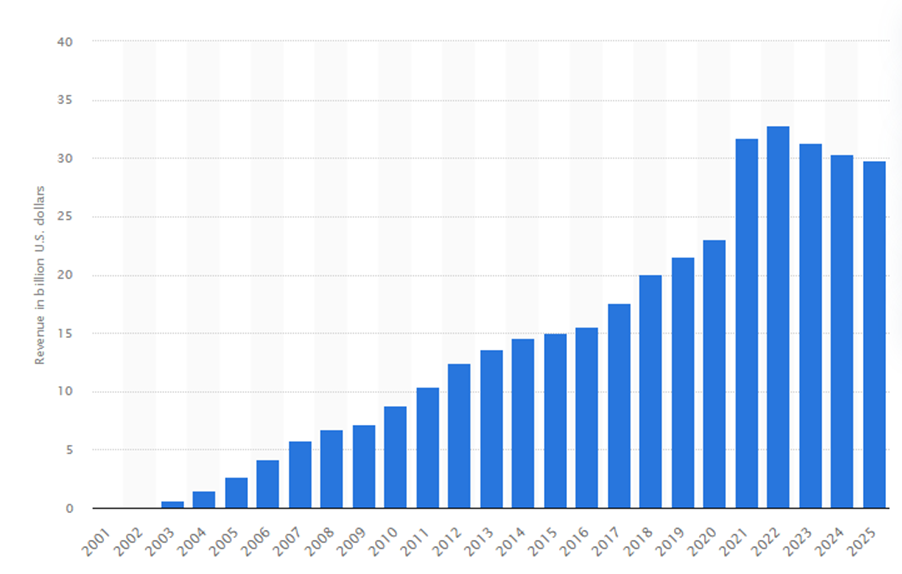
Advertising revenue of Google network websites from 2001 to 2025(in billion U.S. dollars)
Image source: https://www.statista.com/statistics/266245/advertising-revenue-of-google-network-sites/
Where do Google Ads Demand Gen ads appear?
One of Demand Gen’s biggest strengths is its reach. Google can serve your ads across several of its most popular visual properties, so you can grab potential customers wherever they’re spending their time online.
Each placement supports a slightly different stage of the customer journey. This is why Demand Gen works particularly well for building awareness and encouraging consideration.
YouTube
YouTube is at the centre of Demand Gen campaigns. Billions of users watch everything from product reviews and tutorials to entertainment and live events. For advertisers, it’s a great space to introduce their brand through video and image-based adverts.
Unlike Search campaigns, where users are actively looking for answers, YouTube captures attention while people are consuming content. A well-produced video advert can introduce a product, demonstrate how it works or tell a compelling brand story. These happen long before a customer is ready to buy and are memorable enough to influence buying when they are.
If your business has visually appealing products or services, YouTube ads are a powerful way to build familiarity and trust.
YouTube Shorts
Short-form video is still growing in popularity, which means YouTube Shorts is an important advertising channel.
Shorts are designed for fast, mobile-first viewing. This means creative needs to make an impact almost immediately. The opening few seconds are crucial. Strong visuals and concise messaging are essential.
If your brand is already creating vertical video content for platforms such as TikTok or Instagram Reels, Demand Gen is another opportunity to maximise the value of those creative assets in another space.
Google Discover
Google Discover is located within the Google app, and it’s on many Android devices. It gives users personalised content based on their interests and browsing behaviour.
When using Discover, people aren’t actively searching for something. They’re exploring articles, videos and recommendations that Google’s algorithms believe will interest them.
As such, Discover is an ideal way to introduce products and services to new audiences. Businesses can generate interest among potential customers before they’ve even started researching solutions.
Gmail
Gmail isn’t the first platform that comes to mind when we think about digital advertising, but it is still an effective way of reaching users during their everyday online activity.
Demand Gen adverts can appear within the Promotions and Social tabs. It means there’s another opportunity to be had to engage people who have already shown an interest in related products or services.
Gmail is often used throughout the day, so it is an additional touchpoint within the customer journey. It’s great when you want to reinforce brand awareness alongside other Google properties.
Google Display Network
Demand Gen now extends beyond Google’s owned platforms by incorporating the Google Display Network. Advertisers use it to reach audiences across millions of websites, apps and videos.
This significantly expands campaign reach. However, it also keeps campaign management within a single interface, a win-win. You don’t need to manage separate Display and Demand Gen campaigns and can take advantage of Google’s AI to decide where your creative is most likely to deliver results.
You get broader visibility without the complexity of managing different campaigns. According to Google, advertisers who add GDN to Demand Gen campaigns see a 9.5% increase in ROI.
Reaching customers throughout the buying journey
Each of these placements serves a different purpose. Together, they create a connected advertising experience. A potential customer might first see your brand on YouTube Shorts, encounter it again while browsing Discover, notice a promotion in Gmail and eventually search for your business when they’re ready to make a purchase.
This is one of the biggest advantages of Demand Gen. Rather than relying on a single interaction, businesses are visible throughout a customer’s decision-making process. You’re not just capturing existing demand; you’re supporting the gradual development of awareness, trust and purchase intent across multiple Google platforms.
Getting the most from your Demand Gen campaigns
Like any Google Ads campaign, Demand Gen works best when it’s supported by a clear strategy rather than a ‘set it and forget it’ approach. The Key Principles’ PPC team can help you with that.
Google’s AI handles the bidding and serving of the ad content, which is great. But ongoing optimisation is vital to make sure you provide the right inputs and are continually A/B testing and seeing improvements.
High-quality creativity should always be the starting point. Because Demand Gen appears across visually rich environments such as YouTube and Discover, compelling imagery and video are often more influential than detailed keyword lists. Your adverts need to capture attention quickly, communicate a clear message and encourage users to take the next step.
Choosing your audience is important too. Google’s machine learning can identify new prospects, but it’s better to supply it with strong audience signals through first-party customer data, remarketing lists and relevant audience segments. That way, you give the platform a much stronger foundation to optimise from.
Patience is required. Don’t be hasty and cancel things if you don’t get immediate results. Demand Gen campaigns are designed to build awareness and generate future demand. Google’s AI needs time to learn which combinations of creatives, audiences and placements deliver the best results. Making frequent changes too early can interrupt this learning process. It can mean it’s harder for campaigns to reach their full potential.
Image source: Google Ads Photos, Download The BEST Free Google Ads Stock Photos & HD Images
Final thoughts
Google Ads Demand Gen demonstrates that the way people discover brands online is changing. For advertisers willing to invest in strong creative, audience-first targeting and a longer-term approach, Demand Gen can complement existing Search and Performance Max campaigns rather than replace them. As Google continues bringing more visual advertising into Demand Gen, it’s likely to become an increasingly important part of many businesses’ digital marketing strategies.
If you’re considering whether Demand Gen is right for your business, or you’d like to integrate it into your wider Google Ads strategy, the team at Key Principles can help. Contact us to discuss how we can help you get more from your Google Ads investment.