
The automotive industry once relied on large billboards, leaflets and word of mouth. It’s always been a competitive industry but now, as in other industries, car dealerships are making use of modern marketing strategies like digital marketing to stand out from the crowd.
This includes strategies like Search Engine Optimisation (SEO), Paid Advertising like Google Ads and email marketing to increase leads and sales. Here at Key Principles, we have all of the expertise you need to take your digital marketing to the next level—and we have proven success. In fact, we’ve been working with car dealerships to help them grow their businesses and ensure their sales teams are busy with enquiries since 2015! Continue reading to learn about our top 7 digital marketing tips or call us now to book a strategy session to get started.
Tip 1: Optimise Your Website for SEO

When it comes to digital marketing, it’s all about presence. Are you visible in search engine results? Are you visible locally? As a car dealership with a physical location, you need potential customers to be able to find you online. For you to rank as high as possible in these local searches, you need to optimise your websites for search engines.
Through search engine optimisation (SEO), potential customers searching online for car dealerships, will see your website—the first step in getting them through the door.
SEO strategies for car dealership websites include:
Optimising your Google Business Profile
Make sure the dealership’s name, address and phone number are accurate and consistent across all sites and platforms. Add high-quality images of the showroom, vehicles and customer interactions. Encourage satisfied customers to leave positive reviews.
Making sure the technical side of your website is literally up to speed
Having a speedy website – as in a fast-loading website – is crucial. The search engines don’t like websites that load slowly as it leads to a poor user experience and will also turn potential visitors to your website off staying on it for long. As a result, your website will be indexed on Google and other search engines potentially lower than competitors with faster websites. So how fast does your website load? We use a number of tools to check website speed including GTMetrix and Google’s PageSpeed Insights which are both free. Why not pop your website address into the tools and see how well you are doing… obviously get in touch with us if you need help improving your website speed.
Create location-specific content
You site won’t appear in search results if it is not indexed properly. Make sure you use location-based keyworks like “car dealership in Nottingham” to improve rankings. Optimise the title tags and meta descriptions – in fact we have a tool to help with that called Google Search Engine Results Page (SERP) Preview Tool where you can preview exactly how your title tag, description tag and url will appear on Google. It also helps ensure your title tags and description tags isn’t too long.
Target keywords and write content that relates to your business and location. Consider using blog posts like car-buying tips to target more keywords. Make landing pages that target the different areas you serve and introduce an FAQ section to address common queries.
The TMS Motor Group Success Story
Key Principles has worked with TMS Motor Group since 2015 primarily on paid advertising. After the company experienced a decline in organic traffic, we were also asked to look at their website and started to work on improving the website’s search engine optimisation. We identified a major technical SEO issue—their used car pages weren’t indexed on Google. By resolving this issue and making the pages visible in search results, organic traffic rates improved. Key Principles continues to increase the number of website visitors and enquiries, the car dealership receives by enhancing the title and description tags to improve click-through rates and audited and optimised the car leasing section to add more valuable content and target keywords.
Check out our TMS Motor Group SEO Case Study which shows how we increased their website visitors by 81% and their enquiries by 58% year on year. The 191% increase in pages indexed by Google obviously helped. For better SEO get in touch.
Tip 2: Run High-Performance Google Ads Campaigns
After sorting out the optimisation of your website, it’s time to think about running ad campaigns. Pay-per-click (PPC) is one example of a solution that leads to immediate leads and high-intent customers, as long as the campaigns are set up correctly and optimised on a regular basis. The great thing about PPC is that you’re only paying when people actually click on your ads, which means they’re already pretty interested before they get to your website.
To maximise the return on investment (ROI) with PPC, you need a clear campaign structure, keyword optimisation and the addition of automation at appropriate times.
With NK Motors, we audited their current setup and situation and improved their PPC campaigns through a restructure. This improved the efficiency of them and the lead generation they created.
Once you’ve got your Google Ads working well, you can also add Microsoft Advertising to capture those that prefer searching on Bing.
Tip 3: Use Email Marketing
Email marketing has fallen a little out of favour in recent times but it’s actually a really great way to nurture leads. Having a follow-up mechanism is a great way to convert potential buyers into loyal customers. Email marketing keeps you in their thoughts so that when they’re ready to purchase, your business comes to mind.
In terms of best practices, email marketing is more successful when it’s set up with automated sequences, lead segmentation and personalised offers. This is a great accompaniment to SEO and PPC for higher conversions.
Email marketing works particularly well when promoting events that you might organise at your dealership, perhaps around new number plates or the launch of a new model. It is also useful to encourage regular servicing of cars and acts as a useful reminder when MOTs are due.
Tip 4: Use Social Media for Brand Awareness and Engagement
These days, you can’t rely just on one channel to bring in all of your customers. With so many platforms out there, you need to reach out in multiple ways to reach all of your potential clients. According to statistics, 18 to 24-year-olds are the biggest users of YouTube, Instagram, TikTok, Snapchat, and X. So, if you’re aiming to reach the new-driver cohort, this is where you should concentrate your content. For older drivers, Facebook (Meta) is the way to go.
Each platform also lends itself better to different types of content. Video content, like that on TikTok, is becoming increasingly popular but you should vary your social media content according to the platform. On Facebook, for example, customer testimonials will work better.
We’ve found Facebook Advertising also works well to promote car offers, opening events, launch events and more. It’s a great addition to Google Ads and Microsoft Advertising, and with Facebook you can also retarget website visitors.
Tip 5: Improve User Experience
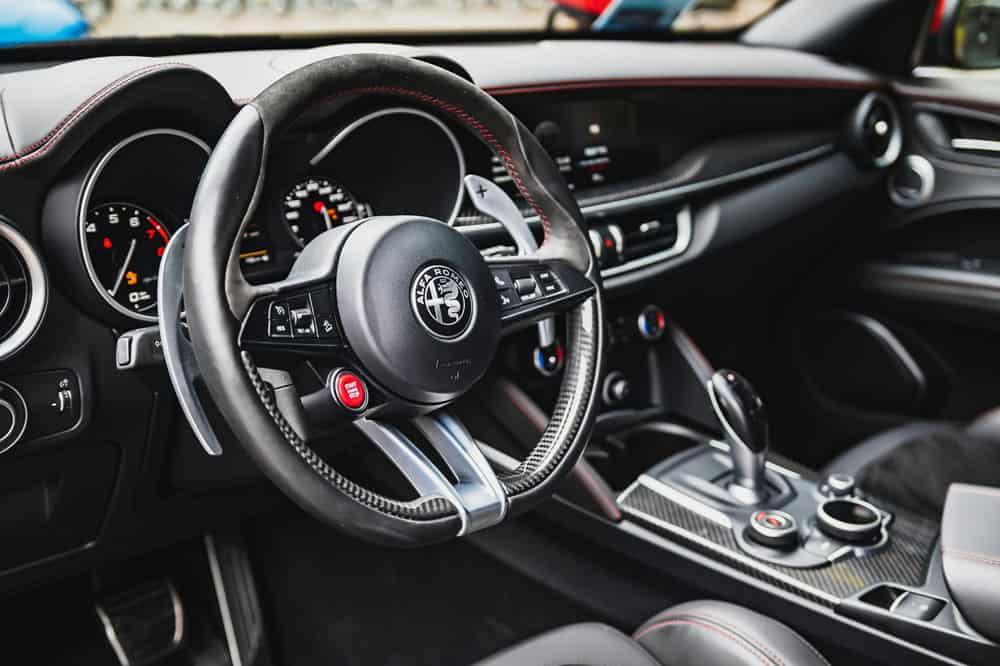
How your website visitors – your potential leads and customers experience your website matters. A well-optimised site will keep visitors engaged, leading to more sales. If potential customers arrive at your site and end up unable to find what they’re looking for, they’re not going to convert.
User experience (UX) isn’t just about the website’s aesthetics. Here are some key areas to focus on:
- Mobile friendliness: Most people these days do their car browsing on their mobile phones. You need to have a site that is mobile-optimised. When was the last time you visited your website on your mobile phone to see how it is looking and how easy it is to navigate around?
- Fast load times: Slower load times increase bounce rates – that’s basically people landing on your website and leaving because it’s loading for them too slowly. For every second the site takes to load, you’ll lose potential customers. According to Google, 53% of mobile users abandon sites that take longer than 3 seconds to load. This means that if your site is slow, over half of your potential visitors may leave before even seeing the cars you have available. Scary stuff!
- Clear CTAs: Having a clear call-to-action makes it easy for the reader to know what action to take and why.
User experience improvements with Volvo Part Shop led to a 19.71% increase in conversion rates and 49.1% higher organic conversions. Here’s how we helped:
- User experience testing: We identified friction points that were causing potential customers to leave the site before converting.
- Optimisation: We made recommendations for layout changes. This included clearer navigation and optimised forms. This meant the user journey was much smoother.
Tip 6: Use Advanced Conversion Tracking and Analytics
When you track what you’re doing, you’ll know if it works or not. You’ll know which strategies have a positive effect and which don’t, which means you can do more of what works and less of what doesn’t. Useful tools include:
- Google Tag Manager: This is a free tool that helps you manage and use marketing tags on your website—and it doesn’t require any code.
- GA4: Google Analytics 4 (GA4) is the latest iteration of Google’s tracking software. T provides insights to help you make better marketing decisions.
- Microsoft Clarity: A free tool from Microsoft called Microsoft Clarity can help with identifying how website visitors are interacting with your website. It can help identify potential issues related to user experience so you can look to improve the experience.
- Lead tracking software: This helps monitor and manage leads as they progress through the sales funnel.
When you use data to make decisions, you’re ensuring you are spending on areas that will have the most impact, and as a result you’ll be maximising your ROI.
Tip 7: Review and Adapt Your Digital Marketing Strategy
Things are constantly changing when it comes to digital marketing so what works now might not work next year. And bizarrely what didn’t work last year may work now! As things change with new trends, tools and algorithms, so too should your approach to marketing.
For example, when we began working with TMS Motor Group, they were facing a significant decline in organic traffic. This was partly due to wider changes in digital marketing rather than anything TMS Motor Group had done. Having regular audits and updates will keep your strategy performing well. You can avoid your digital marketing strategy becoming stagnant by investing in a range of digital marketing services and scheduling regular reviews.
Final Thoughts: How Your Car Dealership Will Benefit from Digital Marketing
In this article, we’ve outlined 7 essential digital marketing strategies that can help car dealerships drive more leads and customers (no pun intended!). We covered:
- Optimising your website for SEO
- Using Google Ads effectively
- Using email marketing
- Improving your social media presence
- Improving UX
- Using advanced tracking and analytics
- Continually reviewing and adapting
The successes of TMS Motor Group, NK Motors and Volvo Part Shop demonstrate how these strategies, when implemented correctly, can lead to significant improvements in your online visibility, lead generation and conversion rates from website visitor to enquiry.
Ready to improve your dealership’s marketing efforts and keep your sales teams happy with plenty of quality enquiries coming in? Contact Key Principles today to get your tailored plan and the results you desire – book your strategy session here.


