As 2024 has just ended, it’s time to turn our focus to the year ahead and the exciting possibilities that 2025 holds for social media. Social media is no different from any other digital industry and with new trends emerging and behaviours shifting, it’s important to stay ahead of the curve.
Below, I’ll share my predictions for social media in 2025. By examining current trends and advancements in technology, I’ll highlight the shifts I expect to see and how they can shape your social media strategy moving forward.
1. AI-generated Content Will Continue to Increase
One thing is for certain about the new year: AI-generated content is here to stay. Over the past year, we’ve seen AI and ML programs go from being a bit of fun to content-creation assets. From blog posts to captions on social media, these technologies are saving time and resources by helping businesses produce high-quality content at scale.
In 2025, I expect AI’s role in content creation to expand further. It’s likely its powers will advance further to produce smarter, more personalised content. AI tools will be able to analyse user data more effectively to tailor content that speaks not only directly to a business’s target audience but also to individual audience segments.
It’s important to note here that AI should always complement rather than replace human creativity. If AI were so good at content creation, I could have simply asked it to write this blog post but alas, I did not.
AI is great at handling repetitive tasks and analysing data quickly but it’s less good at nuance, storytelling and giving a ‘human voice’ to content. So, 2025 will be about finding the right balance between AI-driven solutions and the authenticity that only human input can provide.
2. AI Will Play an Important Role in Analytics and Campaign Efficiency
In 2024, AI tools already began making waves by analysing customer behaviour to optimise campaigns and forecast trends. Compared to human analysis, the precision was simply unimaginable. Looking towards 2025, I believe AI will become even more integrated into digital marketing campaigns.
AI will assist in collecting and analysing vast amounts of data far faster than any team could and will provide deeper insights into customer preferences, purchasing behaviours and campaign performance.
As I’ve already mentioned, however, the real power in it lies in its ability to automate repetitive tasks, which means marketers can then focus more on the creative strategy. Can you imagine running a campaign that adjusts itself in real time based on user interactions?
Or using AI to deliver hyper-targeted content to potential leads without any manual intervention? In 2025, AI will make this level of campaign efficiency a new standard. If you’re still confused about how AI can help your brand, please contact us and we’ll be happy to assist.

3. Short Form Video Will Dominate Visual Content
Short-form video is already up there as one of the biggest marketing strategies and its dominance can only grow more in 2025. Platforms like TikTok, Instagram Reels, YouTube Shorts and now even LinkedIn are leading the charge with businesses finding that quick engaging videos are a powerful to connect with an audience no matter the industry.
The reason short-form works is because it captures attention quickly. Our attention spans are getting shorter (1) so any content that can capture attention and deliver a message quickly will be more successful.
I predict that in 2025, short-form videos will be the go-to visual content format for businesses across all industries. With only 75 seconds (2) to work with on average, short-form videos work well for businesses—it’s cost-effective and highly shareable—but also for consumers.
4. Influencers Will Become a Core Part of Social Media Strategies
Love them or hate them, influencers are powerful when it comes to social media marketing. The appeal is clear on both sides: for influencers, it offers a direct connection to audiences who trust their recommendations. For brands, it helps increase visibility and credibility.
In 2025, I expect more businesses will turn to influencers for support. Whether through sponsored content, collaborations, or exclusive brand ambassadors, influencers will continue to help brands reach niche markets. In short, 2025 will see influencer marketing become less of a side project and more of a leader in many brands’ digital marketing efforts.
5. Social Commerce Will be More Important
With platforms like TikTok and Instagram doubling down on their shopping features, businesses have new opportunities to capitalise on the integration of browsing and buying. If you’re not already exploring this space, you could be missing a massive opportunity to connect with customers.
The idea behind it is simple: rather than redirecting people to a website, the social platform brings it to them. Features like shoppable posts, in-app storefronts, and live shopping events make it easier for customers to discover and buy products directly on social media platforms.
If you’re hesitant to dive into social commerce, I understand—it’s still a relatively new frontier. But trust me, the potential here is enormous. In 2025, I see this becoming an essential part of staying competitive in the social media landscape.
6. The Priority Platforms Will Shift to Instagram and LinkedIn

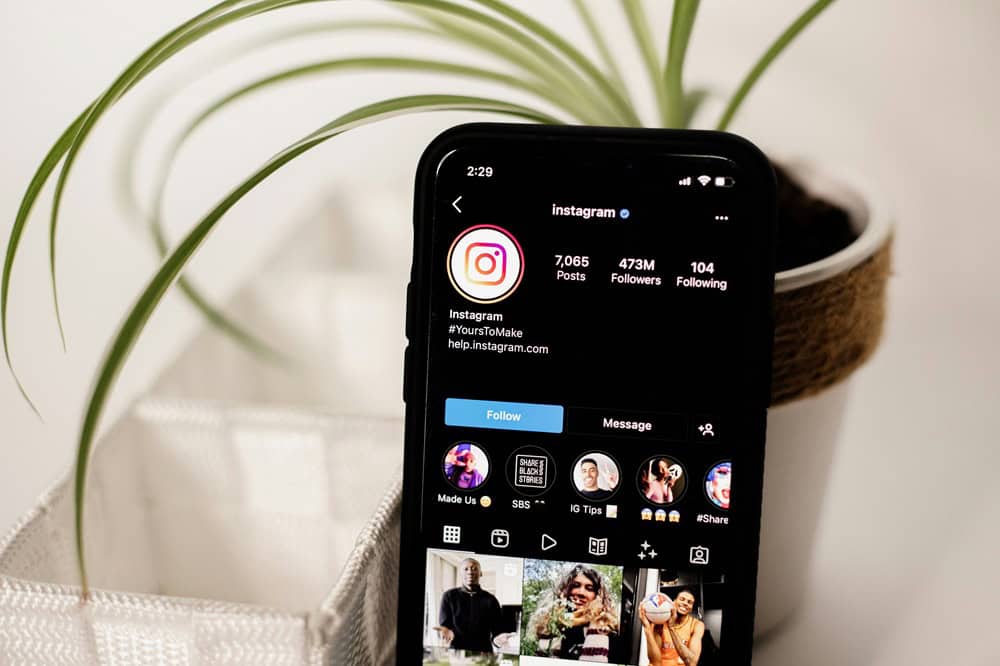
Move over Facebook, Instagram and LinkedIn are where it’s at for social media marketing. Instagram’s focus on visual storytelling with Reels, Stories and shoppable content is highly engaging for lifestyle and e-commerce brands.
Meanwhile, LinkedIn is growing more than a professional networking site. Very recently, it’s become a great spot for thought leadership and industry expertise—in other words, great for B2B marketing. I’ve seen brands use LinkedIn’s live video to build credibility and create connections, and it works.
While platforms like Instagram and LinkedIn will start to dominate for business strategies, I’ll be keeping an eye on BlueSky. This newcomer is certainly showing promise as a fresh space to build professional communities and reach niche audiences.
7. Social Media Creators Will be Legitimised
Thus far, social media creators have battled with the view that their job is not a legitimate one—but believe me, many of them do very well out of it indeed! Over the past few years, we’ve seen creators evolve from casual influencers recommending brands in a generic way into skilled content producers with dedicated audiences and measurable impact.
More and more brands are using creators for authentic, relatable campaigns and I expect 2025 to be the year that social media creators are seen for what they are: a legitimate cog in the marketing machine.
I believe businesses will treat creator collaborations with the same level of professionalism as other marketing efforts. This means clear contracts, fair compensation, and long-term partnerships. If you’re not already working with creators, now’s the perfect time to get started.
8. There Could be a Long-Form Content Renaissance
After saying short-form videos are set to dominate, I don’t mean shelving long-form content. Many said it was done and buried, but even the pioneer short-form platform that is TikTok (3) is now showing how well longer, thoughtful content can perform.
As someone who writes a lot of long-form content, I can certainly vouch to say it’s making a comeback. I’ve noticed that brands are asking for detailed guides, case studies, and storytelling posts with a unique, human voice.
Third-person and passive voice is out, engaging, first-person is in. If this trend continues to take hold, it’s a chance for brands to showcase their knowledge on a deeper level. Though long-form content does require more effort, in my experience, the payoff in credibility and loyalty is well worth it.
9. The Use of Meme Marketing Will Decline
We’ve talked about things that are rising, now let’s look at what’s going out. Unfortunately for those who enjoyed it, meme marketing is on its way out. Once a favourite tool for connecting with younger audiences, I predict it will lose its shine in 2025.
Since their inception, memes have been an excellent way to showcase humour and relatability but they’ve now become oversaturated. In many cases, brands tried too hard to be “on trend” with meme marketing and their efforts ended up being poorly executed.
That’s not to say I think they’ll disappear entirely—I think memes will remain useful in niche areas or for those brands who’ve done it well and have an established voice in meme culture. Examples include Netflix, whose Instagram presence is entirely meme-based; Wendy’s, which focuses on sarcastic and sassy memes; and even Ruffles, which participated in the “distracted boyfriend” meme trend.
However, as audiences are becoming more discerning about authenticity, memes often lack the substance to build brand loyalty. Instead, I’d recommend concentrating on content that aligns more closely with your brand values.
Humour can still play a role but it should be used genuinely and not in a forced way. You want your posts to offer tangible value to your audience. If your marketing strategy is very meme-heavy, 2025 might be the time to rethink and diversify.
Keep Your Social Media Marketing One Step Ahead by Utilising These 2025 Predictions
Not all marketing trends will be relevant to your brand and business. If you don’t want to be left behind your competitors, it’s important to see what the digital marketing landscape looks like. If any of these trends are relevant to your brand, seek to revamp your marketing strategies for the new year.
Do you want any help with your social media marketing strategies? We have a wealth of knowledge and experience in this domain—feel free to contact us to book your free strategy session so we can see how you can improve your social media presence for 2025.
References
1) https://www.cbsnews.com/news/are-attention-spans-getting-shorter-and-does-it-matter/
2) https://www.apa.org/news/podcasts/speaking-of-psychology/attention-spans#:~:text=So%20back%20in%202004%2C%20we%20found%20the%20average%20attention%20span%20on%20any%20screen%20to%20be%20two%20and%20a%20half%20minutes%20on%20average.%20Throughout%20the%20years%20it%20became%20shorter.%20So%20around%202012%20we%20found%20it%20to%20be%2075%20seconds.
3 https://newsroom.tiktok.com/en-us/longer-video-creators